Symone A. McCollum, Ph.D. (she/her/hers)
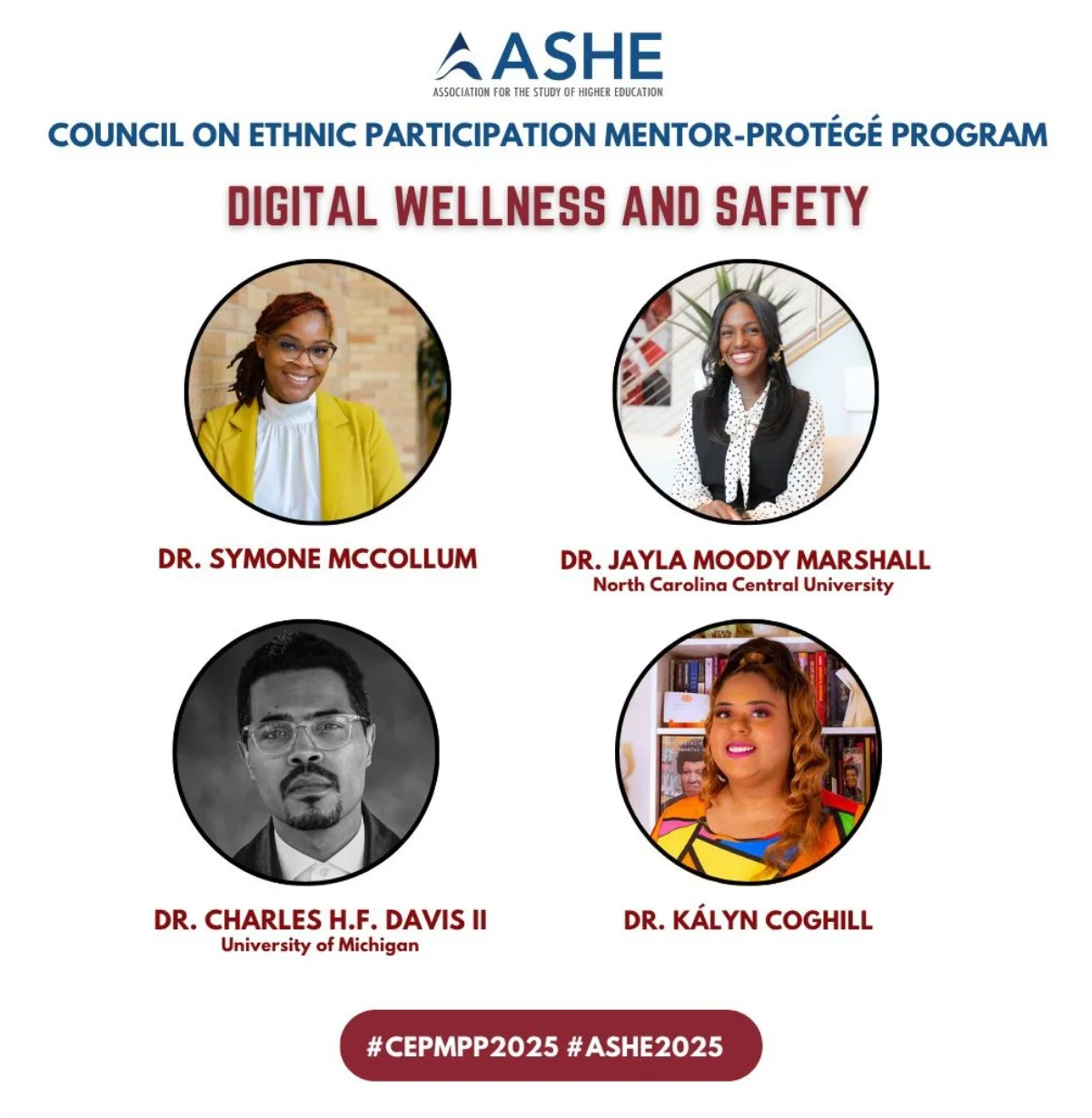
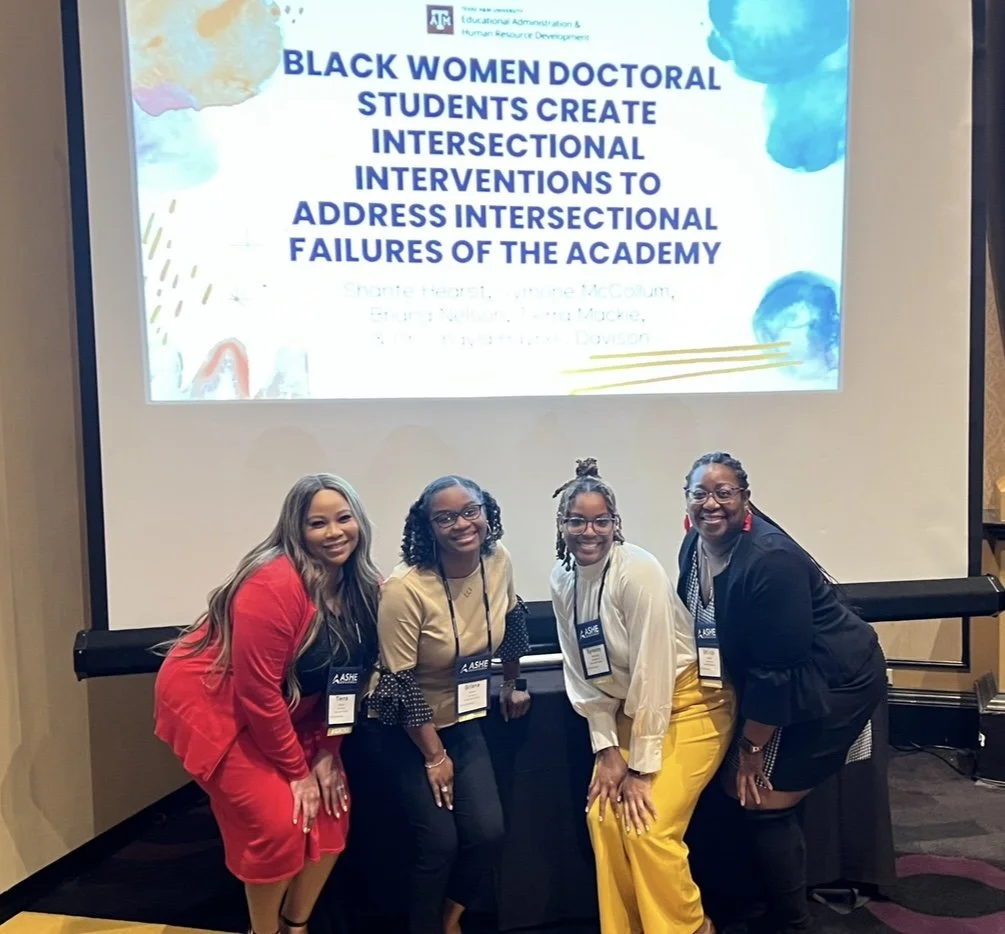
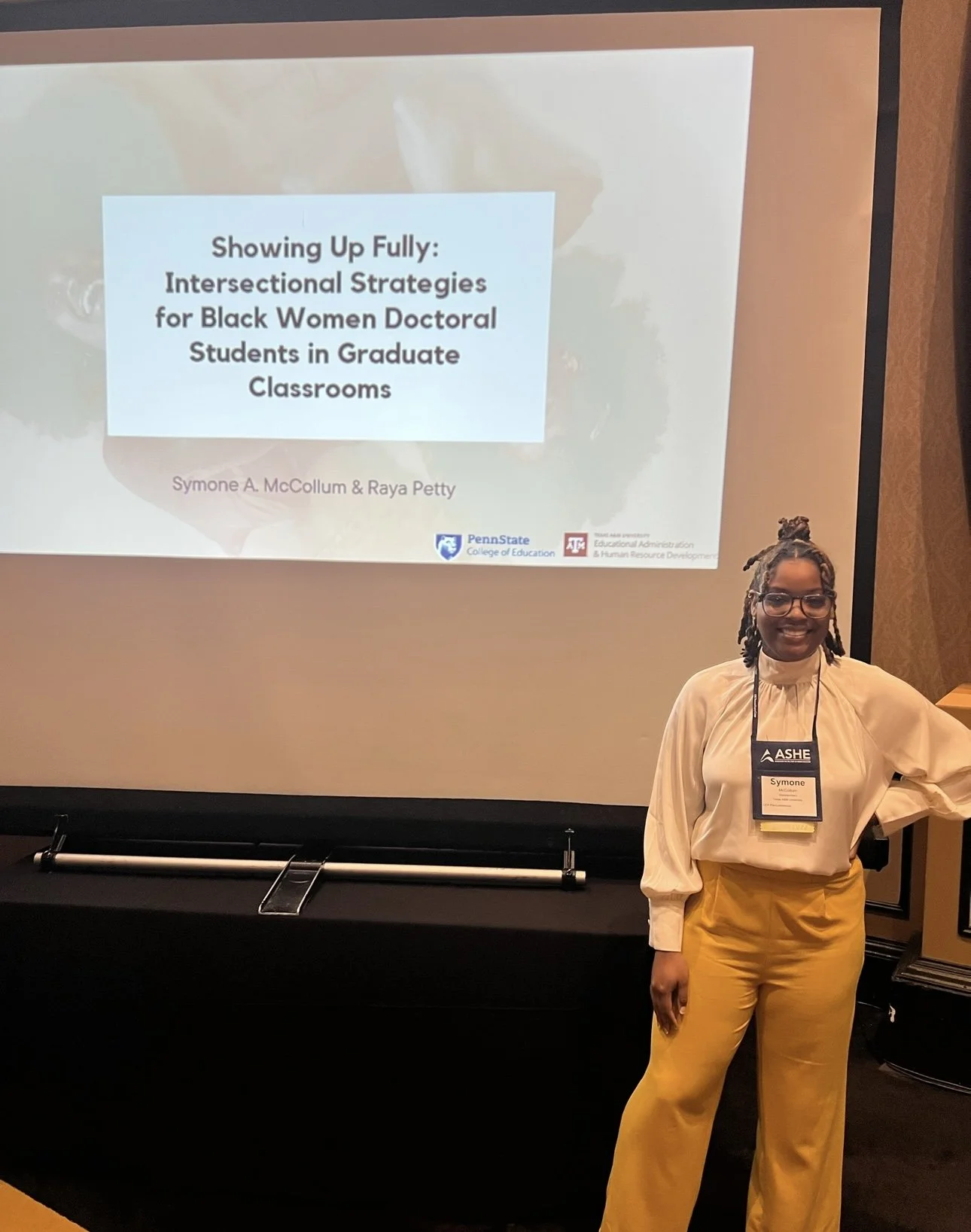
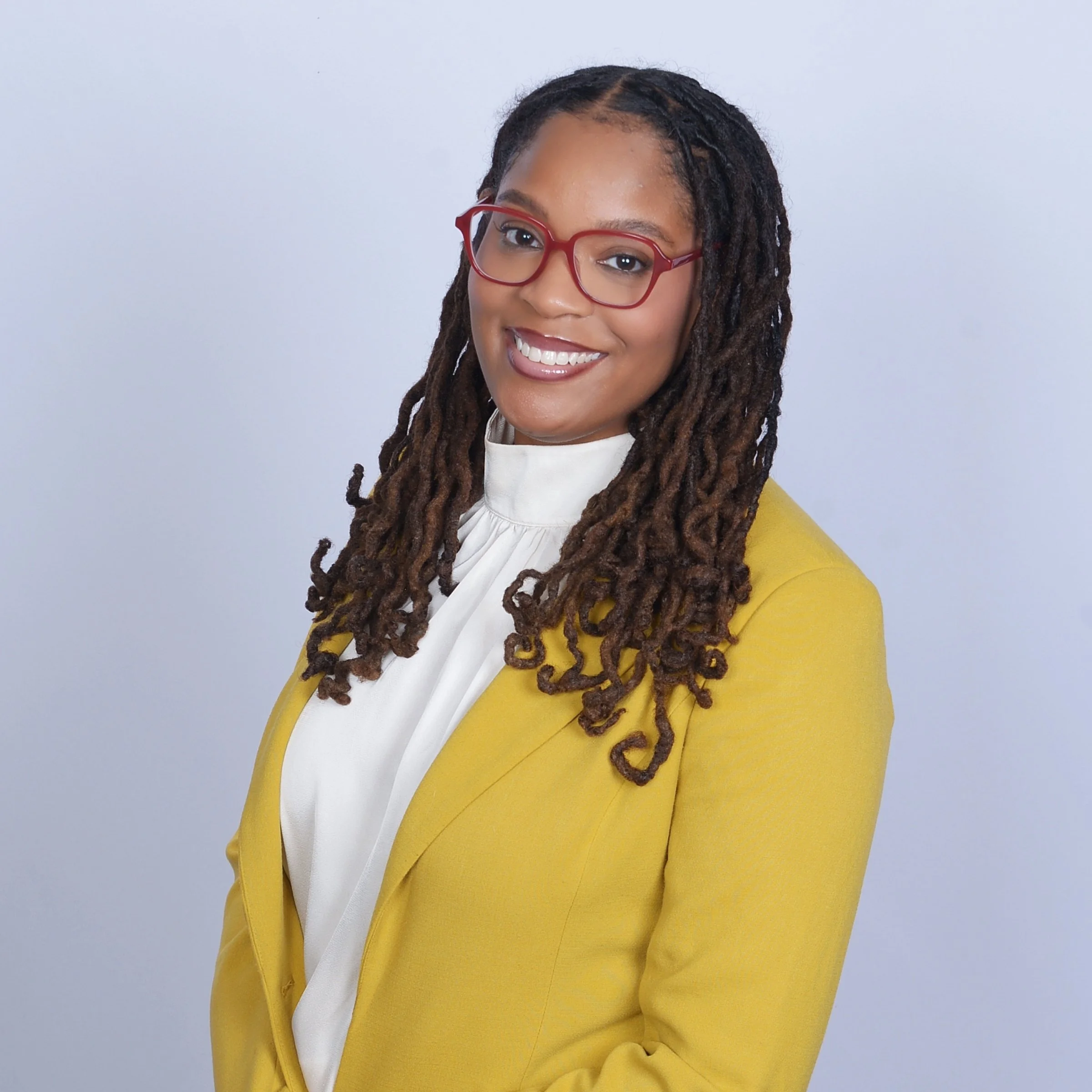
Dr. Symone A. McCollum is an interdisciplinary scholar and storyteller. Her research examines the collaborative and community-centered qualitative research approaches, student development at the intersections of identity, and digital media at the intersections of identity. Her work engages critical theories and methodologies, including Black feminist theories and Black storytelling methodologies, to address questions related to intersectional oppression, agency, and support for Black women and other historically marginalized populations in educational contexts. She earned her PhD in Educational Administration from Texas A&M University, and her master’s and bachelor’s degrees from the Pennsylvania State University.
Her areas of expertise include:
Black feminist and intersectional theories and methods
Collaborative and community-centered research approaches with historically marginalized populations
4+ years of editorial/reviewer experience
PhD in Educational Administration
Our Journey

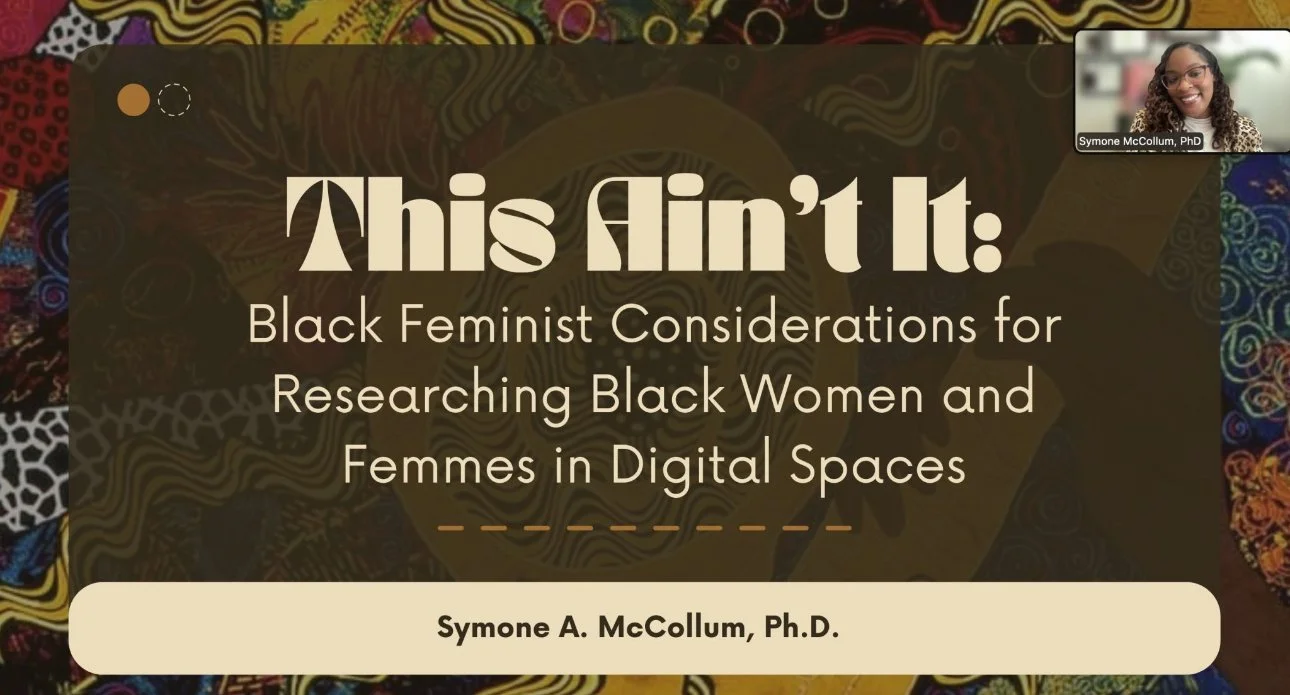
Broadly, my work engages critical perspectives and innovative qualitative approaches, including Black feminist theory, digital Black feminism, intersectionality, Black storytelling methods, etc., to address questions related to intersectional oppression, agency, and support for Black women and other historically marginalized populations in educational contexts.
EDITORIAL EXPERIENCE
Over the past four years, I have reviewed over 10 manuscripts for rigorous academic journals such as the Journal of Women and Gender in Higher Education, the International Journal of Qualitative Studies in Education, and the Journal of African American Women and Girls in Education.
Reviewer, International Journal for Qualitative Studies in Education, Spring 2024 to Present
Graduate Editorial Board Member, Journal of Women and Gender in Higher Education, Spring 2023 to Present
Reviewer, Journal of African American Women and Girls in Education, Spring 2022 to Present
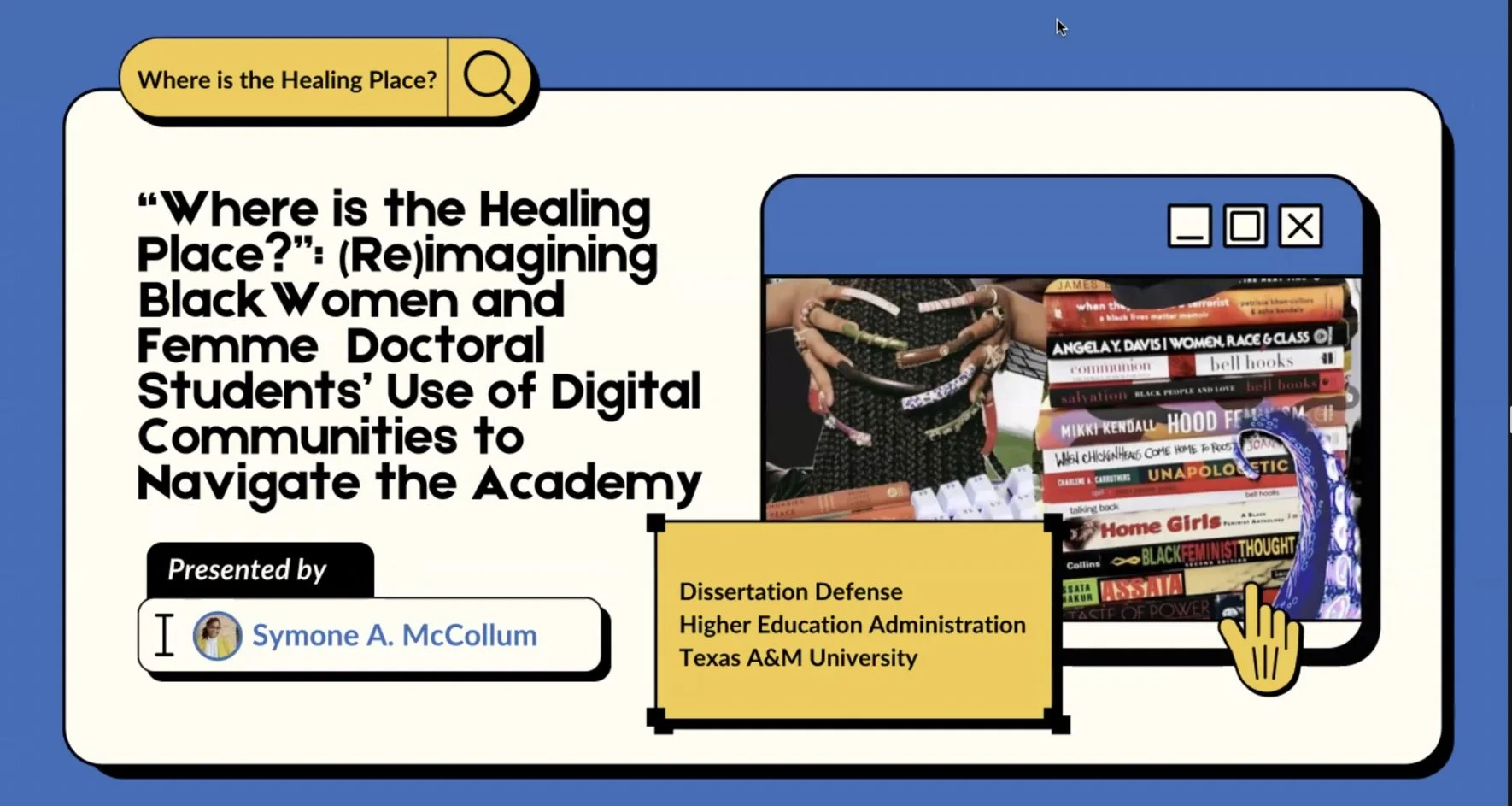
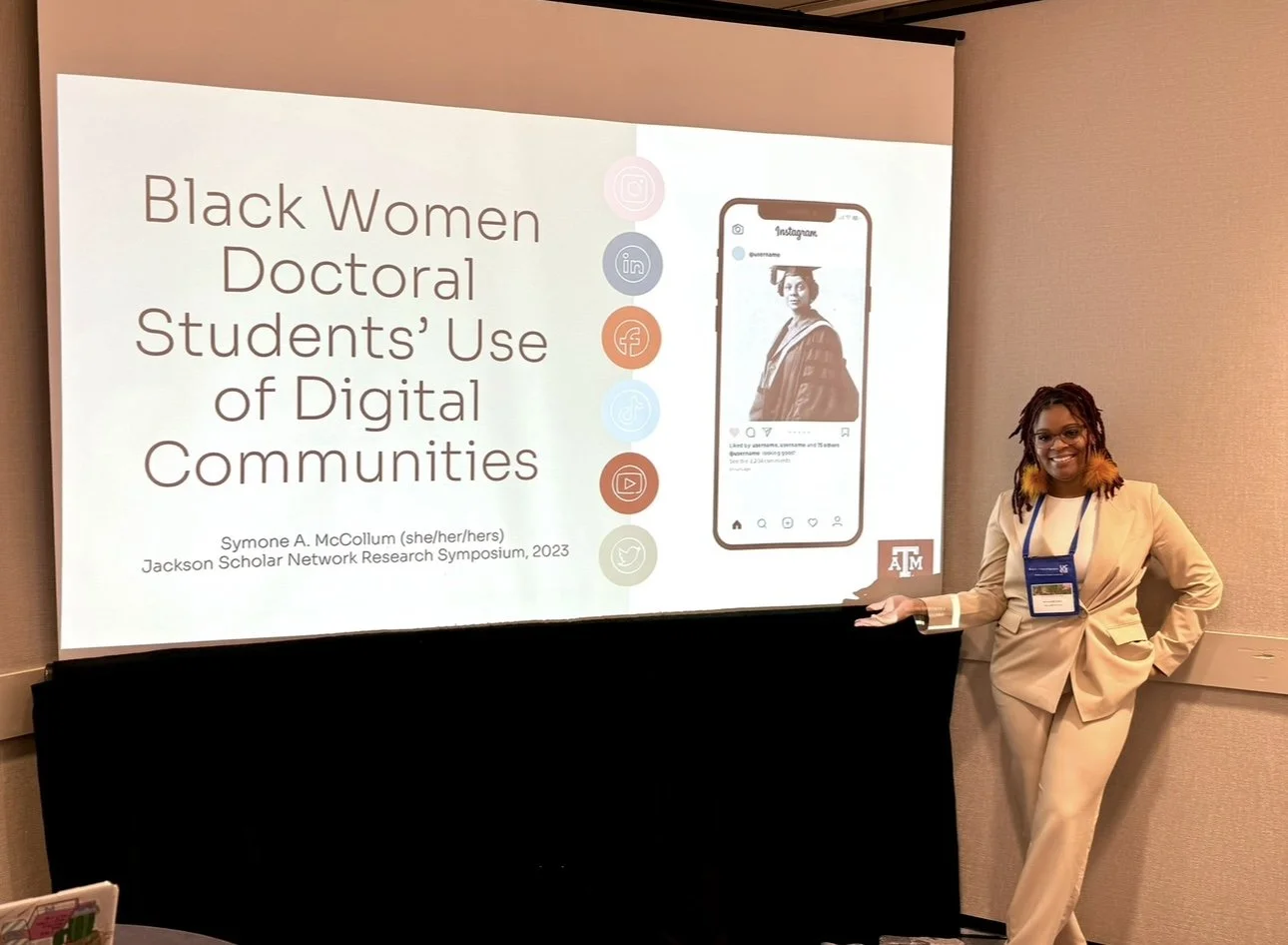
The purpose of my critical qualitative study was to examine how, if at all, Black women and femme doctoral students’ use of digital communities influences their educational trajectories at historically white institutions (HWIs). Guided by a digital Black feminist perspective, the following research questions guided my study: 1) How do Black women and femme doctoral students describe their use of digital communities and its influence on their educational and social experiences at HWIs? And, 2) To what extent can digital communities serve as spaces for Black women and femme doctoral students to heal and (re)imagine their educational trajectories in and beyond HWIs?
Uniquely, this study’s focus on Black women and femme doctoral students’ use of digital communities required methodologies that center and reflect the creativity, agency, and (re)imaginative wealth found in their digital spaces. Therefore, I blended endarkened storywork (Toliver, 2021) and composite counterstorytelling (Solórzano & Yosso, 2002) to build the methodology for this study. I engaged with both methodologies as storying methods that privilege the voices of historically marginalized populations in education, specifically the voices of Black women and femmes in this study. I also brought in my lived experiences, love for reading Black fiction, and use of Black feminist epistemologies to help me transition the study findings into a futuristic composite story (Collins, 1989, 2000; Collective, 1977; Dillard, 2000; Gumbs, 2016; hooks, 1989; Smith, 1993/2024).