
Our Approach
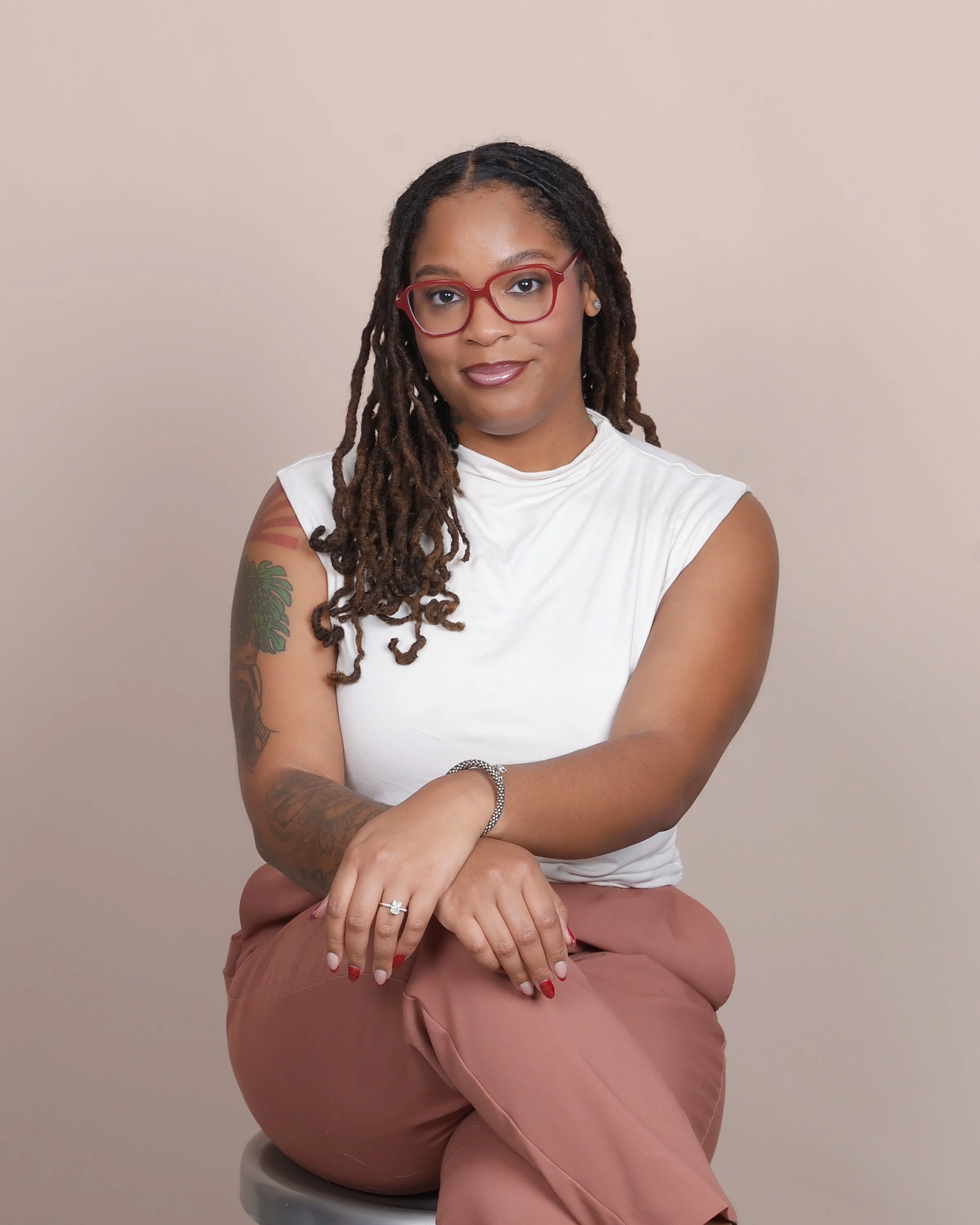
At SM Thread Research Consulting, we practice qualitative research as an act of creative resistance and care. We work alongside scholars, particularly those who hold historically marginalized identities, to (re)imagine research methods that honor lived experience and challenge harmful approaches that aim to erase, decenter, or misconstruct our stories. Drawing from both academic scholarship and the wisdom embedded in fictional stories, poetry, film, and other forms of creative expression, we craft research approaches grounded in care, responsibility, and collective liberation. Our work is driven by a fundamental belief that rigorous, community-centered qualitative research creates knowledge with the communities we engage, affirming their voices, experiences, and expertise in the process.
Four beliefs drive our praxis:
We believe there is a necessary process to qualitative method-making with historically marginalized populations that requires creativity and the desire to (re)imagine and critique the go-to methods that we think we should be using or what our discipline tells us to use and why.
We believe in incorporating a wide range of non-academic (i.e., poetry, fictional literature, and other forms of media) and academic texts to inform what and how we know.
We believe that qualitative research pushes us to practice and (re)imagine liberation when we ground our work in responsibility, care, and ethical community-oriented ideals.
We believe in what qualitative research does for the communities in which we engage.
What/Who Grounds Our Work
The philosophy that guides our approach to qualitative research is rooted in our ability to: a) think deeply about the questions we want to ask, and b) be creative with the ways we both partner with the communities we engage with throughout the research process, and how we represent their stories/data in ways that are congruent with what/how they know. Because of this, we are committed to doing research differently. However, we did not come into this knowing on our own. There are many scholars whose work shapes our love for qualitative research and storytelling. These works include (but are not limited to):
Bailey, M. (2021). Misogynoir transformed: Black women’s digital resistance. In Misogynoir transformed. New York University Press.
Butler, O. E. (2024). A few rules for predicting the future. Hachette UK.
Collins, P. (2000). Black feminist thought: knowledge, consciousness, and the politics of empowerment. Routledge.
Cook, D. A., & Dixson, A. D. (2013). Writing critical race theory and method: A composite counterstory on the experiences of Black teachers in New Orleans post-Katrina. International Journal of Qualitative Studies in Education, 26(10), 1238-1258.
Dillard, C. B. (2000). The substance of things hoped for, the evidence of things not seen: Examining an endarkened feminist epistemology in educational research and leadership. International journal of qualitative studies in education, 13(6), 661-681.
Gumbs, A. P. (2016). Spill: Scenes of Black feminist fugitivity. Duke University Press.
McKittrick, K. (2020). Dear science and other stories. In Dear science and other stories. Duke University Press.
Okello, W. K. (2024). On Blackness, liveliness, and what it means to be human: Toward Black specificity in higher education. State University of New York Press.
Smith, B., Hull, G. T., & Scott, P. B. (Eds.). (1982). All the women are white, all the blacks are men, but some of us are brave: Black women's studies. Feminist Press.
Solórzano, D.G., and T.J. Yosso. 2002. Critical race methodology: Counter-storytelling as an analytical framework for education research. Qualitative Inquiry 8, no. 1: 23–44.
Toliver, S. R. (2021). Recovering Black storytelling in qualitative research: Endarkened storywork. Routledge.
These bodies of work, among others, teach us that qualitative research can be a site of imagination, resistance, and mutual care for historically marginalized groups, specifically Black women. These bodies of work also help us gain the audacity to go beyond the “what” of qualitative research and (re)imagine the why and how.


“The story cannot tell itself without our willingness to imagine what it cannot tell. The story asks that we live with what cannot be explained and live with unexplained cues and diasporic literacies, rather than reams of positivist evidence . . . the story asks that we live with the difficult and frustrating ways of knowing differently. (And some things we can keep to ourselves. They cannot have everything).
”
Our Story